An Emerging Threat: How Anopheles stephensi Could TransformMalaria Transmission in Western Kenya
- By Erick Okoth
- Executive Director, Blue Cross Nyatike (BCN)
- Coordinator, Lake Endemic Malaria CSO Network (LERN)
A New Malaria Threat Has Arrived
Lake endemic regions of Kenya has long borne the highest malaria burden in the
country. For decades, malaria transmission has been driven primarily by Anopheles
gambiae and Anopheles funestus, mosquito species that thrive mainly in rural
environments. However, the detection of the invasive mosquito Anopheles stephensi in Kisumu in2022 marks a significant shift in Kenya’s malaria landscape. This new vector has thepotential to expand malaria transmission into densely populated urban and peri-urbanareas, posing a serious threat to public health and potentially undermining decades of
progress in malaria control.
What is Anopheles stephensi?
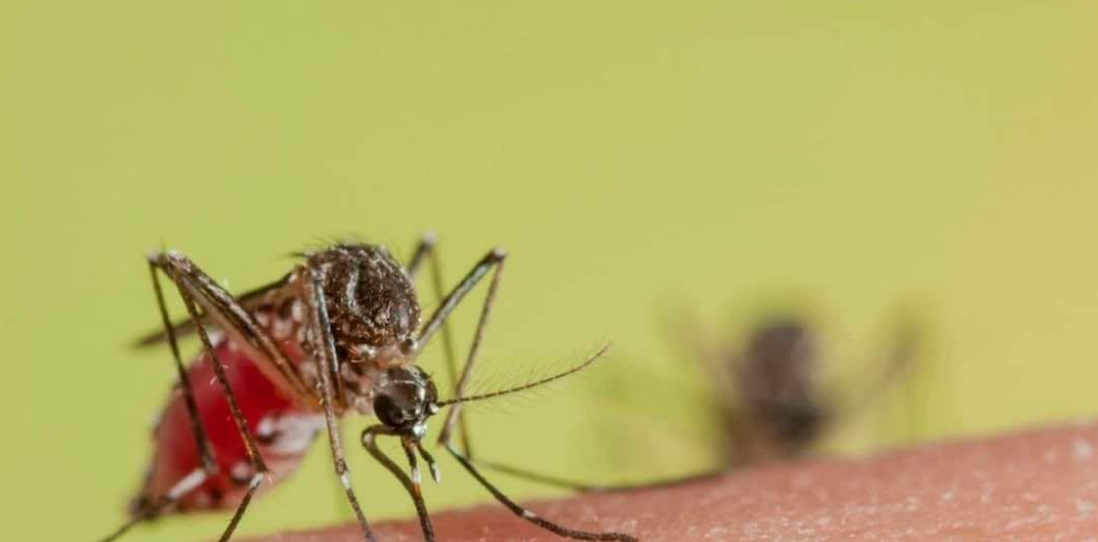
Anopheles stephensi is an invasive malaria vector originally found in South Asia andparts of the Arabian Peninsula. Unlike Kenya’s traditional malaria vectors, it has
adapted exceptionally well to urban environments. The mosquito is capable of transmitting both Plasmodium falciparum—the deadliest
malaria parasite in Africa—and Plasmodium vivax, which has historically been less
common in Kenya. Its rapid spread across the Horn of Africa has raised global concern because it canestablish breeding populations quickly and adapt to a wide range of environmental
conditions
Why is This Mosquito Different?
Unlike traditional malaria vectors that depend largely on clean, natural water bodies, Anopheles stephensi breeds in artificial water containers commonly found aroundhomes and urban settlements.
Common breeding sites include:
- Water storage tanks
- Jerrycans
- Buckets
- Discarded tyres
- Plastic containers
- Open water reservoirs
- Underground and overhead tanks
- Polluted drains and sewers
This ability makes rapidly growing urban centres particularly vulnerable to malaria outbreaks.
Why Lake Endemic regions of Kenya are at Greater Risk
The Lake Endemic Region already experiences year-round malaria transmission. Theintroduction of Anopheles stephensi could significantly increase the intensity andgeographic spread of malaria because:
It breeds throughout the year.
- It survives in both rural and urban environments.
- It reproduces rapidly.
- It spreads easily into new ecological zones.
- It can transmit multiple malaria parasite species.
- It shows resistance to several commonly used insecticides.
If not contained, cities such as Kisumu and other rapidly urbanizing towns in westernKenya could experience more frequent malaria outbreaks and sustained transmission.
Challenges to Existing Malaria Control
Most malaria prevention strategies in Kenya have been designed around the behaviour
of traditional mosquito vectors.
These include:
- Long-Lasting Insecticidal Nets (LLINs)
- Indoor Residual Spraying (IRS)
- Indoor mosquito control
Unfortunately, Anopheles stephensi exhibits different resting and feeding behaviours and has demonstrated resistance to several insecticides, reducing the effectiveness of conventional control measures. This emerging threat calls for innovative, integrated and community-driven approaches to vector control.
What Needs to Be Done?
Addressing this invasive vector requires coordinated action from national and countygovernments, research institutions, communities, development partners and the private sector.
Priority actions include:
- Strengthen surveillance to detect and monitor the spread of Anopheles stephensi.
- Integrate urban malaria control into national malaria strategies.
- Enhance collaboration across the health, environment, water, sanitation, educationand agriculture sectors
- Increase investment in operational research and innovative vector control tools.
- Strengthen community awareness and behaviour change programmes.
- Improve solid waste management and environmental sanitation.
- Eliminate artificial mosquito breeding sites around homes and public spaces.
- Promote proper covering of household water storage containers.
- Encourage prompt diagnosis and treatment of malaria symptoms.
These recommendations are consistent with the need for integrated responses highlighted in the source document
The Role of Communities
Communities remain the first line of defence against malaria.
Every household can contribute by:
- Emptying or covering water containers.
- Properly disposing of tyres, cans and plastic containers.
- Keeping compounds clean.
- Using mosquito nets correctly and consistently.
- Installing window and door screens where possible.
- Seeking immediate testing and treatment for fever or flu-like symptoms
Community participation will be critical to preventing the establishment and spreadof this invasive mosquito.
Looking Ahead
The arrival of Anopheles stephensi represents one of the most significant emergingchallenges to malaria elimination efforts in Kenya. While its presence poses serious risks, it also provides an opportunity to rethink malaria control through stronger surveillance, integrated vector management, urban planning and active community engagement.
Protecting communities from this invasive vector will require sustained investment, coordinated partnerships and evidence-based interventions. By acting early, Kenya can reduce the risk of widespread urban malaria transmission and safeguard the gains
made over the past two decades in the fight against malaria.
About the Author
Erick Okoth is the Executive Director of Blue Cross Nyatike and Coordinator of the Lake Endemic Malaria CSO Network. He works with stakeholders, communities and development partners to strengthen community-led responses to malaria, health systems and climate-resilient public health interventions in Kenya.